How to Build a Winning Strategy for Paid Search Advertising?

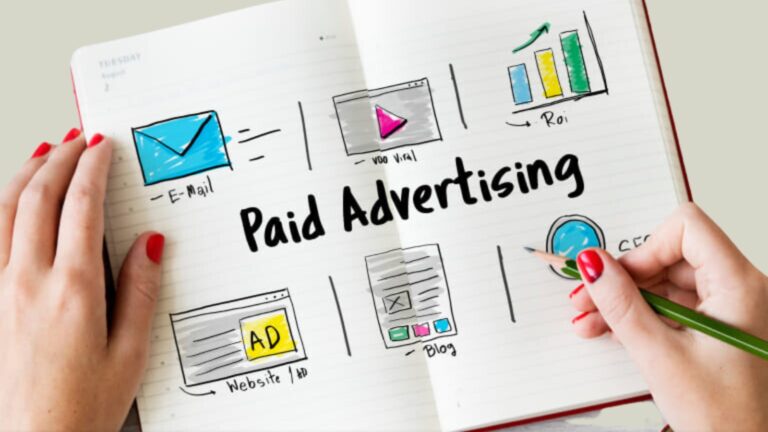
paid advertising

Paid search advertising, also known as pay-per-click (PPC), is a powerful tool for driving targeted traffic and achieving specific business goals. To harness its full potential, it’s crucial to develop a winning strategy that maximizes your return on investment (ROI).

Here is how to build an effective paid search advertising strategy, from planning and execution to monitoring and optimization:

1. Define Your Goals

A successful paid search advertising strategy begins with clear, measurable goals. These goals should align with your overall business objectives and be specific enough to guide your campaign. Common goals include:

  • Increasing Website Traffic: Drive more visitors to your site.
  • Generating Leads: Collect contact information or inquiries.
  • Boosting Sales: Increase product or service purchases.
  • Enhancing Brand Awareness: Make your brand more visible in the market.

2. Conduct Comprehensive Keyword Research

Keyword research is the foundation of any effective paid search advertising strategy. Identifying the right keywords ensures your ads reach the most relevant audience. Here’s how to do it:

  • Use Keyword Tools: Tools like Google Keyword Planner, SEMrush, or Ahrefs can help you find high-volume and relevant keywords.
  • Analyze Competitors: Examine the keywords your competitors are targeting to identify opportunities.
  • Include Long-Tail Keywords: These are longer, more specific phrases that often have lower competition and higher conversion rates.

3. Craft Compelling Ad Copy

Your ad copy is crucial for attracting clicks and driving conversions. Effective ad copy should:

  • Be Relevant: Ensure it aligns with the keywords and landing page content.
  • Highlight Benefits: Focus on what makes your offer unique and valuable.
  • Include a Strong CTA: Encourage users to take action, such as “Buy Now,” “Sign Up,” or “Learn More.

4. Optimize Your Landing Pages

A seamless user experience on your landing page can significantly impact your conversion rates. To optimize your landing pages:

  • Ensure Relevance: The content should match the ad copy and keywords.
  • Design for Conversions: Use clear CTAs, minimal distractions, and a straightforward layout.
  • Test Different Elements: Experiment with different headlines, images, and forms to see what converts best.

    Here is another blog you can read to know why you should optimize landing page KNOW MORE

5. Set a Realistic Budget

Your budget will determine how often and where your ads are shown. Consider the following when setting your budget:

  • Keyword Competition: High-competition keywords may require a higher budget.
  • Expected Click Costs: Use tools to estimate the cost per click (CPC) for your keywords.
  • Allocate Funds Wisely: Distribute your budget across campaigns and adjust based on performance.

6. Monitor and Analyze Performance

Regular monitoring and analysis are key to refining your paid search strategy. Track metrics such as:

  • Click-Through Rate (CTR): Measures how often people click your ad after seeing it.
  • Conversion Rate: Indicates the percentage of users who complete the desired action.
  • Cost Per Acquisition (CPA): Shows how much you spend to acquire a customer.

Use tools like Google Ads or Bing Ads to gather and analyze these metrics, and make data-driven decisions to improve performance.

7. Test and Refine Your Strategy

Continuous testing and refinement are crucial for optimizing your paid search campaigns. Consider:

  • A/B Testing: Experiment with different ad copy, headlines, and CTAs to identify what works best.
  • Adjusting Bids: Modify keyword bids based on performance and budget constraints.
  • Refining Targeting: Use audience insights to fine-tune your targeting criteria

8. Leverage Ad Extensions

Ad extensions can enhance your ads with additional information and improve visibility. Common extensions include:

  • Site Links: Direct users to specific pages on your site.
  • Callouts: Highlight special offers or unique selling points.
  • Structured Snippets: Provide additional details about your products or services.

9. Stay Updated with Industry Trends

The digital advertising landscape is constantly evolving. Stay informed about the latest trends and best practices to keep your strategy effective. Subscribe to industry blogs, attend webinars, and follow thought leaders to stay ahead of the curve.

10. Consider Professional Help

If managing paid search campaigns seems overwhelming, partnering with a digital marketing agency can be a valuable investment. Experts can provide strategic insights, optimize your campaigns, and help you achieve your goals more efficiently.


By following these steps and continuously refining your approach, you can build a winning strategy for paid search advertising that drives targeted traffic, boosts conversions, and delivers measurable results.

Checkout another great read for improving your lead generation through INFLUENCER MARKETING.

Subscribe to Our Newsletter

Sign up for our newsletter to get latest updates. Do not worry, we will never spam you.